India offers some of the most incredible stargazing opportunities for night sky enthusiasts. From serene mountains to remote deserts, travellers can witness the cosmos in all its glory.
Whether you are an amateur stargazer or a professional astrophotographer, India’s diverse landscapes provide ideal conditions to observe constellations, planets, and meteor showers. This guide covers the best destinations and tips for enjoying an unforgettable celestial journey.
1. Spiti Valley, Himachal Pradesh
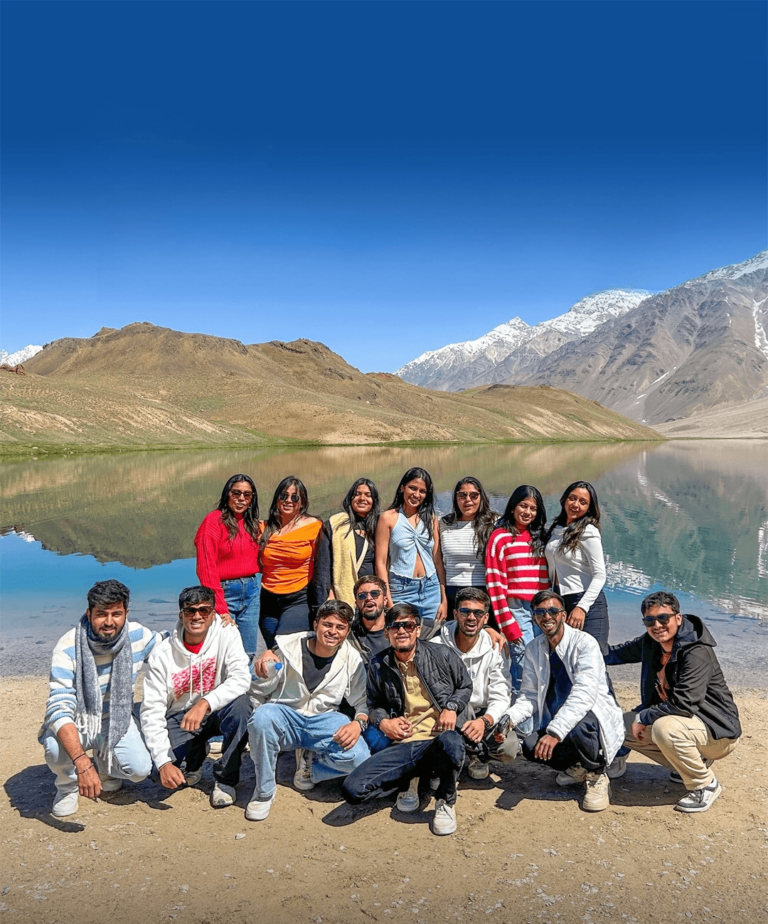
Spiti Valley is a remote Himalayan destination with minimal light pollution.
Nestled between towering peaks, Spiti’s clear skies and high altitude make it perfect for stargazing. The valley’s peaceful environment allows travelers to experience the Milky Way, shooting stars, and planets in vivid detail. Visiting during winter provides the clearest skies for astrophotography.
Local homestays and camps in villages like Kaza offer cozy spots for night-time observation. Visitors can also explore Buddhist monasteries during the day and enjoy the surreal night sky after sunset. Spiti Valley combines cultural exploration with unforgettable celestial views, making it a must-visit for astronomy lovers.
2. Ladakh, Jammu & Kashmir
Ladakh is renowned for its pristine landscapes and dark night skies.
The high-altitude desert of Ladakh offers crystal-clear skies that are ideal for observing stars. Locations like Pangong Lake and Nubra Valley provide panoramic views of the cosmos. Minimal air and light pollution make it one of the top destinations for night sky lovers in India.
Many tour operators in Leh organize astro-tourism experiences, including telescope setups and guided stargazing sessions. Ladakh’s unique topography allows travelers to capture breathtaking astrophotography shots. Beyond stargazing, visitors can enjoy trekking, cultural tours, and local cuisine, making the journey both adventurous and enriching.
3. Rann of Kutch, Gujarat
The Rann of Kutch is famous for its white salt desert and mesmerizing night skies.
During the Rann Utsav festival, travelers can witness a surreal combination of cultural festivities and stargazing opportunities. The vast, flat landscape provides unobstructed views of the night sky, perfect for observing constellations and the Milky Way.
Camping under the stars in the Rann is a once-in-a-lifetime experience. Visitors can combine desert safaris with astronomy sessions and experience local folk music and dance. The combination of cultural immersion and celestial observation makes Rann of Kutch a unique travel destination for night sky enthusiasts.
4. Coorg, Karnataka
Coorg’s lush greenery and high-altitude hills provide excellent stargazing conditions.
Known as the “Scotland of India,” Coorg offers clear skies away from city lights. Hill stations and coffee plantations create peaceful settings to enjoy the night sky. The monsoon season brings occasional cloud cover, but the post-monsoon period offers the clearest views.
Coorg’s homestays often arrange guided night sky experiences with telescopes. Travelers can observe planets, satellites, and constellations while enjoying local Coorgi cuisine and cozy accommodations. The combination of nature, culture, and astronomy makes Coorg a hidden gem for celestial enthusiasts.
5. Jaisalmer, Rajasthan
Jaisalmer’s desert landscapes offer spectacular night sky visibility.
The Thar Desert’s wide, open spaces provide minimal light pollution, perfect for stargazing. Tourists can observe meteor showers, zodiac constellations, and even the faint glow of distant galaxies. Camel safaris combined with night sky observation create an immersive desert experience.
Luxury desert camps in Sam Sand Dunes often provide telescopes and stargazing sessions with expert guides. Travelers can enjoy traditional Rajasthani music, cuisine, and cultural performances under the starlit sky. Jaisalmer combines adventure, heritage, and celestial wonder in one unforgettable experience.
6. Munnar, Kerala
Munnar’s hill stations and tea plantations create serene stargazing spots.
Away from Kerala’s city lights, Munnar’s elevated terrain offers excellent visibility of stars and planets. Clear skies during winter months are ideal for observing the Milky Way. The cool climate makes night-time astronomy sessions comfortable and memorable.
Eco-resorts and homestays often arrange stargazing experiences with telescopes and local guides. Visitors can combine astronomy with trekking, waterfall visits, and tea plantation tours. Munnar provides a perfect mix of relaxation, nature, and night sky exploration for enthusiasts of all ages.
7. Andaman & Nicobar Islands
These islands offer tropical stargazing experiences with minimal pollution.
Remote beaches and isolated islands create dark skies ideal for celestial observation. Clear horizons allow travelers to view constellations, planets, and the occasional meteor shower. Snorkeling and night-time beach camps enhance the experience.
Island resorts often provide stargazing kits and guided tours for visitors. The unique combination of pristine waters, sandy beaches, and star-filled skies makes Andaman & Nicobar Islands a top destination for night sky lovers seeking both adventure and tranquility.
Conclusion
India’s diverse landscapes make it a paradise for stargazers and night sky enthusiasts. From the Himalayas to the deserts, each destination offers unique celestial experiences.
Related Blogs
Read All ›